By Roz Morris, Managing Director, TV News London
Is it just me or are some BBC, ITV, Sky and CNN reporters and presenters and their interviewees dressing more and more casually – sometimes even looking scruffy?
Obviously, a reporter in a war zone or in the midst of a demonstration doesn’t want to stand out as totally different from everyone else.
However, they do have to stand out at times. When you are being filmed by a camera operator this is a bit of a giveaway that you’re not ordinary and you do have a special role. But should you wear a crumpled and scruffy shirt and jacket?
We’re a long way from Whicker’s World
We’re clearly not in Whicker’s World anymore when the legendary Alan Whicker was always in a suit and tie even when in high pressure circumstances.
Now, although the BBC’s main newsreaders do make an effort to appear smartly dressed – for example you never see Clive Myrie without a tie – BBC newsreader and Media Show presenter Ros Atkins mostly wears a jacket with a black t-shirt. This look also favoured by our current Prime Minister Andy Burnham for some of his public appearances.
No ties in Silicon Valley
The black t-shirt look began with the famous hairdresser Vidal Sassoon and has been cemented into modern dress codes by Steve Jobs and Mark Zuckerberg and their tech bro followers.
People familiar with Silicon Valley tell me there are no men wearing ties there. And this dress code is also followed in tech companies here in the UK.
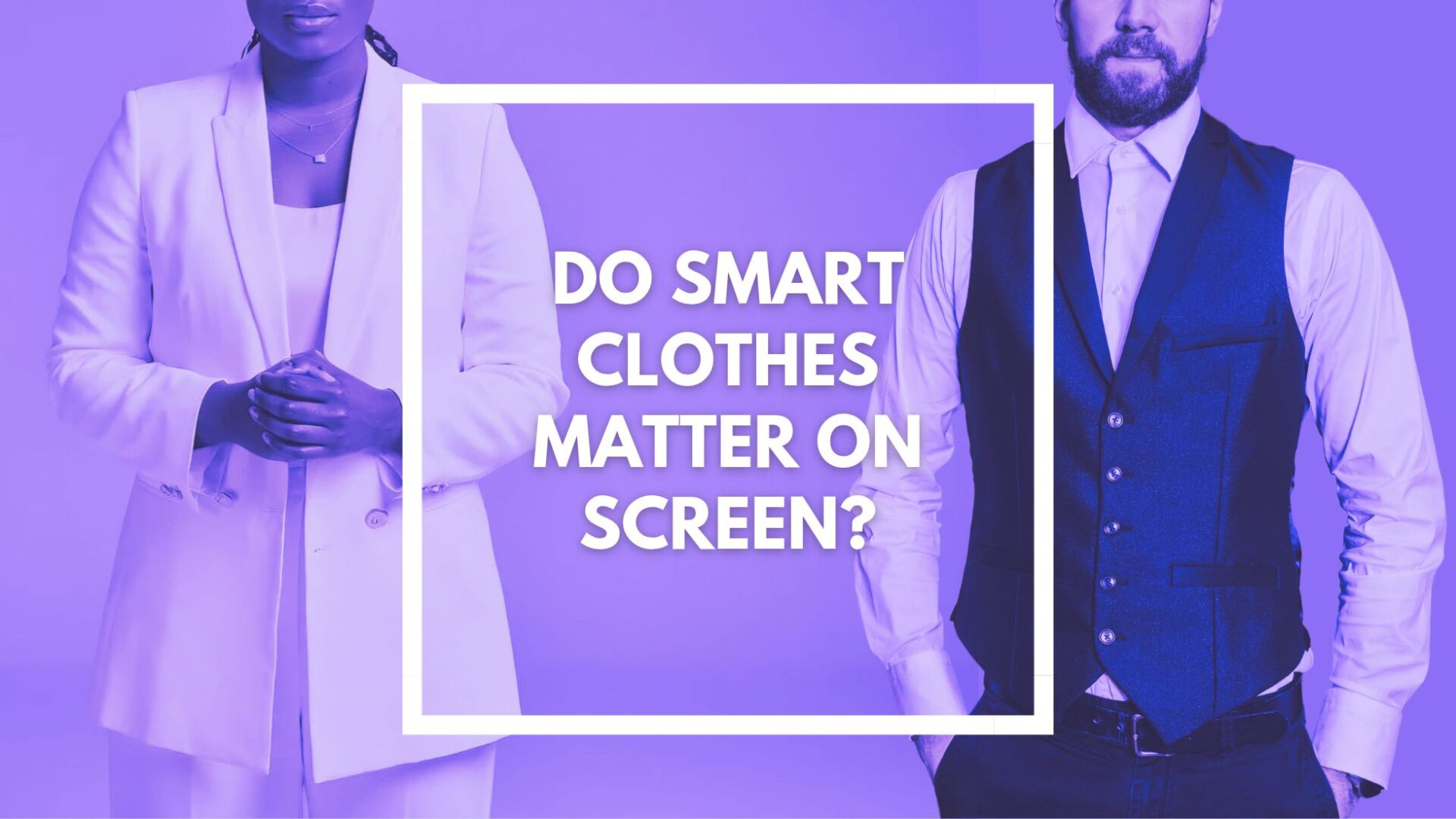
Does your authority increase if you wear smarter, more formal, clothes?
For both men and women, a jacket can give some instant authority, and it provides a neat frame in the tight shots used for TV interviews.
When Ros Atkins does wear a jacket and shirt his shirt is open necked and I haven’t ever seen him wearing a tie. Other BBC News presenters and also some presenters on ITV, Sky and CNN have also stopped wearing a tie with their shirt and jacket.
So what is the best advice for men on dressing for interviews and on screen meetings?
When I started providing media training 30 years ago it was very simple for men giving TV interviews: Wear a plain jacket, shirt and tie. The only problems to avoid were making sure your ties did not have any distracting pictures on them and avoiding striped or dotty shirts and tweed jackets, which can strobe on screen and be distracting to viewers.
It used to be much simpler for men and more complicated for women who then, and now, have a wide choice of smart clothing.
Smart casual is not an easy look to achieve. Remember that billionaires like Richard Branson have expert advice on how to achieve their smart casual look.
Clothing problems for men started when Prime Minister David Cameron decided to stop wearing ties. He wanted to appear more casual and was labelled ‘Call me Dave’. He abandoned ties for a time and then went back to wearing them.
What became obvious when we had this first surge of tieless men is that they hadn’t thought at all about their shirts.
Invest in fitted shirts
I’ve advised many clients they need to invest in fitted shirts because without a tie all the creases and folds become apparent and it’s very easy to look crumpled and therefore give a less authoritative impression.
Are vest tops ever appropriate?
During the 4 recent heatwaves in the South of England, some female presenters on BBC London have worn vest tops without a jacket, which I don’t think is appropriate when delivering news bulletins with serious content. To be fair many of their colleagues are still maintaining standards by wearing smart clothing.
But, also during the recent heatwaves, it was also the case that some interviewees, both male and female have also worn vests or vest tops while giving us their opinions on a topic in the news.
I think this does look scruffy and unserious. However, it’s clear that dress codes are shifting, especially for men, and, without expert advice many men can end up appearing less professional than they would like.